Scandinavian Minimalism Meets Marketing Expertise

Introduction

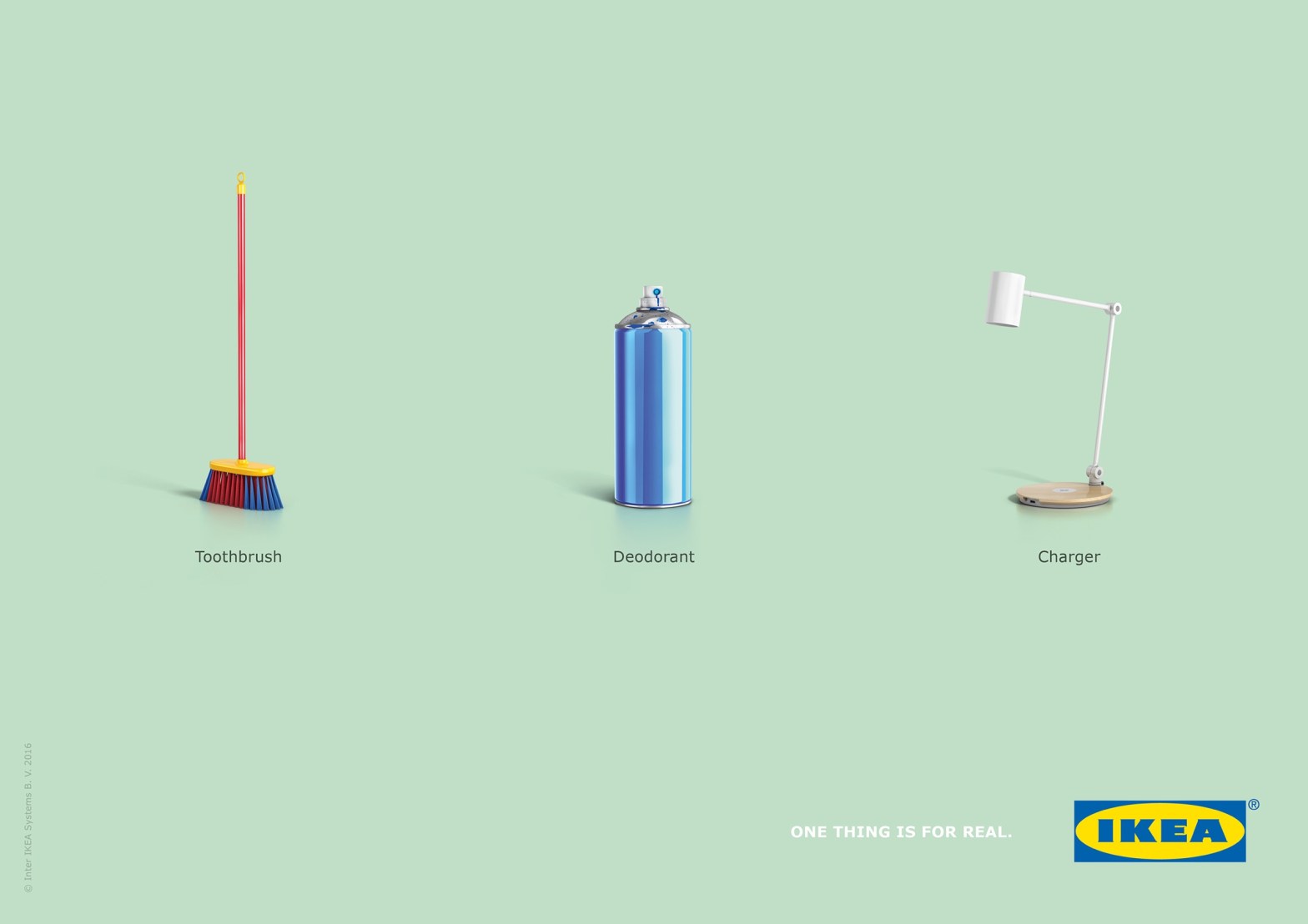
This is the original ad from IKEA. I don’t know who the designer is, but I think he/she or the team of designers and marketers were pure brilliance with this one. IKEA is a Scandinavian furniture store that offers much more than just furniture. It’s an experience for anyone who walks into one of their stores. I am always drawn to their practical storage ideas and their design lines that are influenced by minimalism.

The original ad can be found here: https://www.adsoftheworld.com/media/print/ikea_for_real_1

Original Ad Analysis

As mentioned already, IKEA is famous for it’s minimalism in the designs of their household items. This simple style carries over into this ad campaign extremely well. The typography is a very modern sans-serif type of font that is kept very simple in small text that is both black and white. Speaking of color, the background is a solid blue/gray that is very soft on the eyes and creates a calm experience for the potential customer. There is also a lot of space between each of the objects in the ad which contributes to this sense of calm. This further adds to the IKEA theme of clean lines and minimalism. The alignment of the three objects is symmetrical with proximity which draws the eyes to each object in turn. We see the idiocy of the claims that a broom is a toothbrush and spray paint as deodorant. But then we see the lamp and the label “charger” and it makes us think. Is this lamp really a charger? Because IKEA is always simplifying and streamlining, the answer is yes.

New Ad Analysis
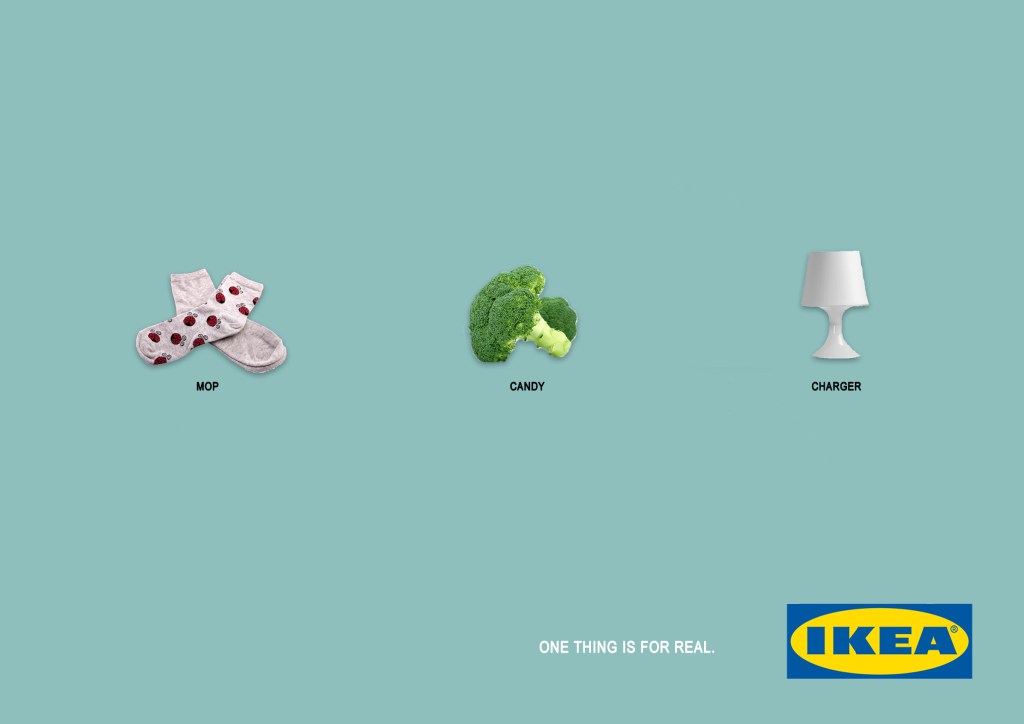
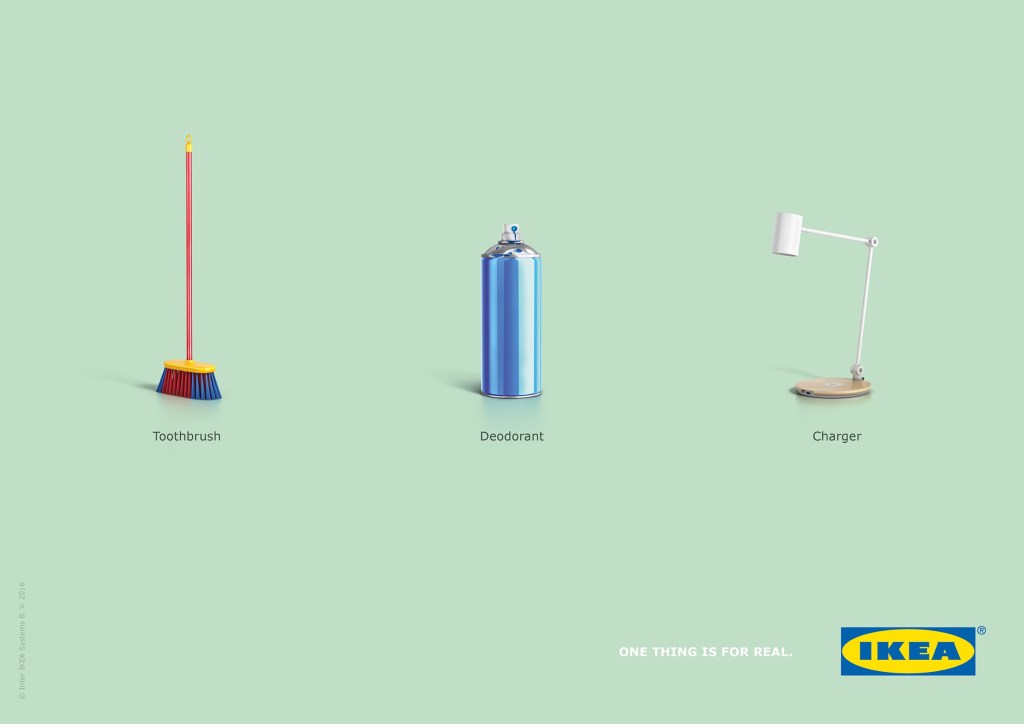
For my own ad campaign I used a similar calming color as the background for the ad. This will help to make the ad feel like it was from the same campaign without being exactly the same. Using the same concept for the objects, I created some unreal labels, claiming socks as mops and broccoli as candy. Then we have the little desk lamp labeled as a charger, much like the original ad but different. I kept with the theme of modern, simple lines that is IKEA’s ongoing theme with my choice of a sans-serif font and simple contrasting black and white colors. The design also has the elements of proximity, showing the relation of the three objects in the middle of the ad with the IKEA logo in the bottom corner.

Conclusion

Why the original ad and the new ad work together is because I am carrying the same message from the original ad into the new ad by using similar colors and other design elements. Those elements are consistent with IKEA’s theme of simple minimalism. The colors are basic and calming. The alignment of the objects and proximity helps to tell a story and make the reader double-take because of the idiotic claims of the first two images which are completely false. But, when the eye reaches the third object, we see this claim that a lamp can be a charger isn’t false at all. IKEA is known for making household items that are beautiful, practical, simple, and multitasking. The lamp is an example of these concepts in action. We all love IKEA for their furniture and other household items. Now we have another reason to love them because of their creative marketing strategies that coincide so seamlessly with their brand.
A Study in Lasagna and Photography

Original Picture and Introduction

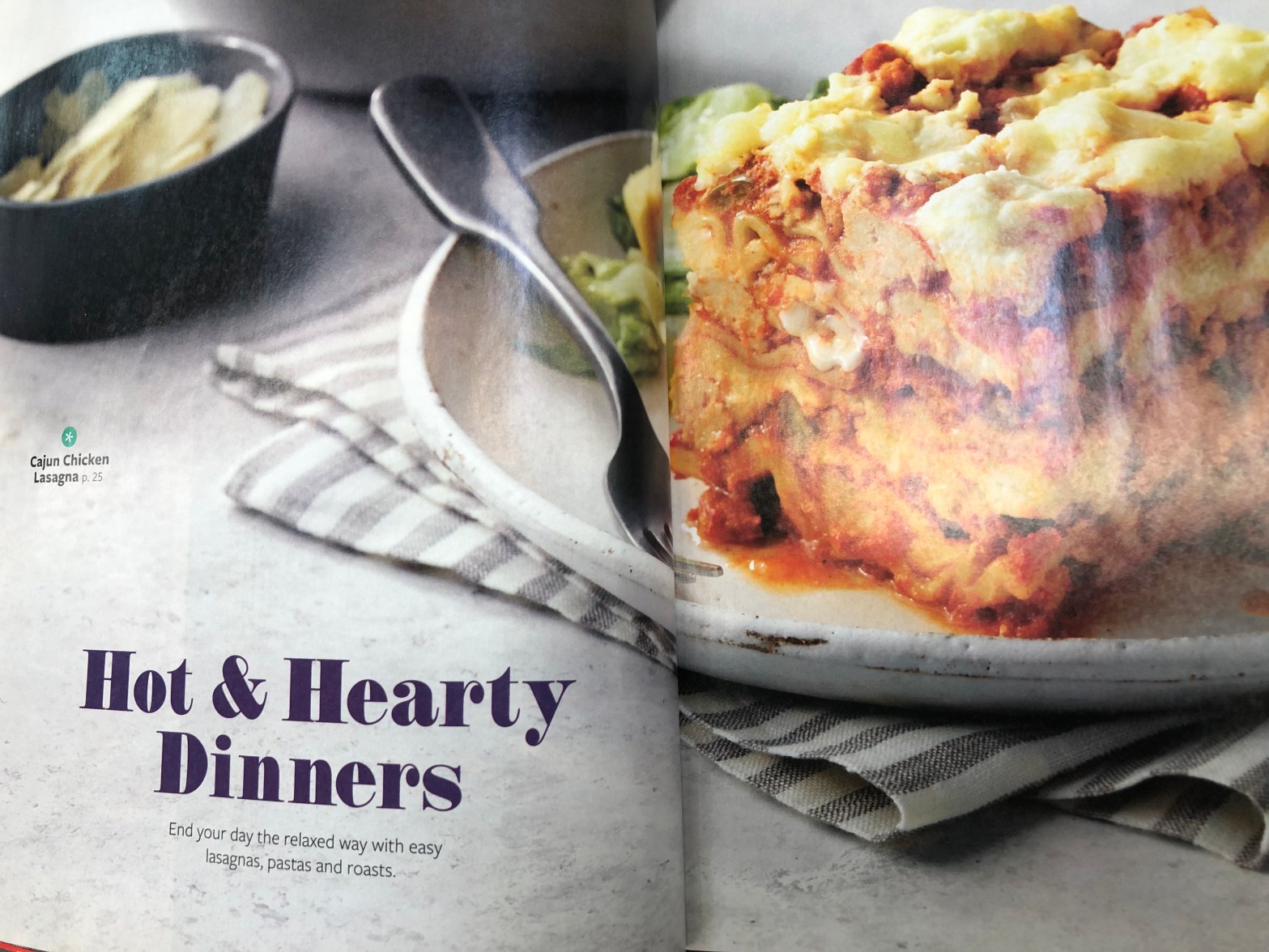
This original photo was from Taste of Home magazine. I couldn’t find any credits for the photographer, which is too bad because I would love to give him/her a pat on the back for this beautiful shoot. This two-page layout follows the guidelines for my school’s assignment because it shows beautiful examples of contrasting typography and basic photography principles such as rule of thirds and field of depth.

Category Identification

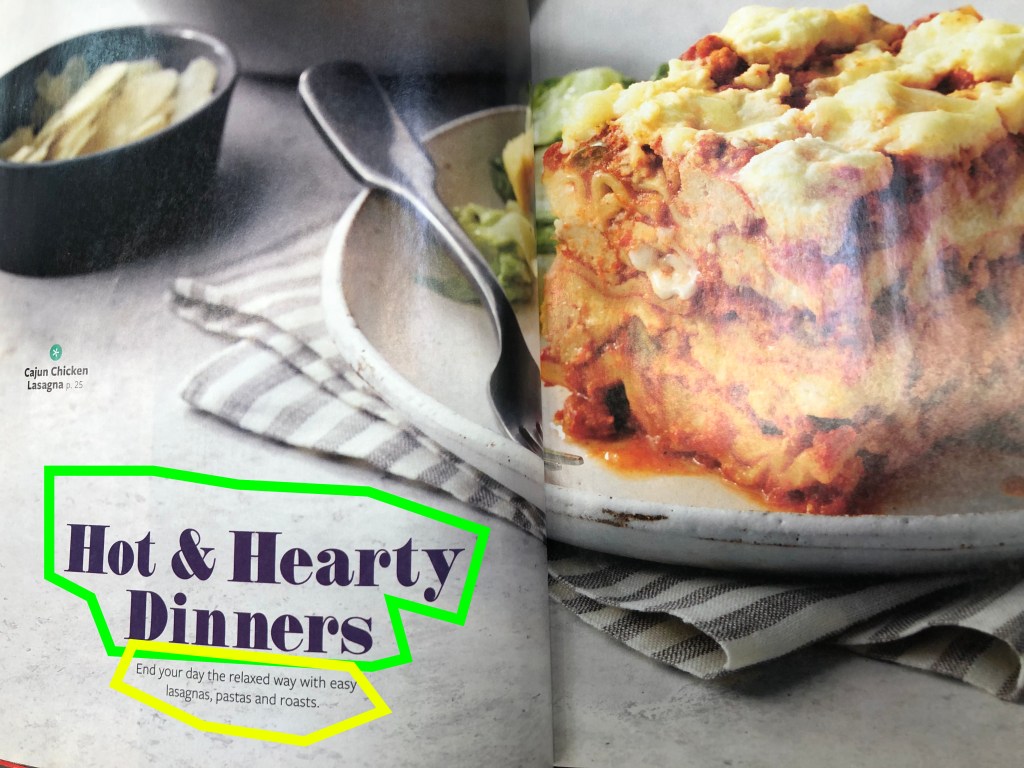
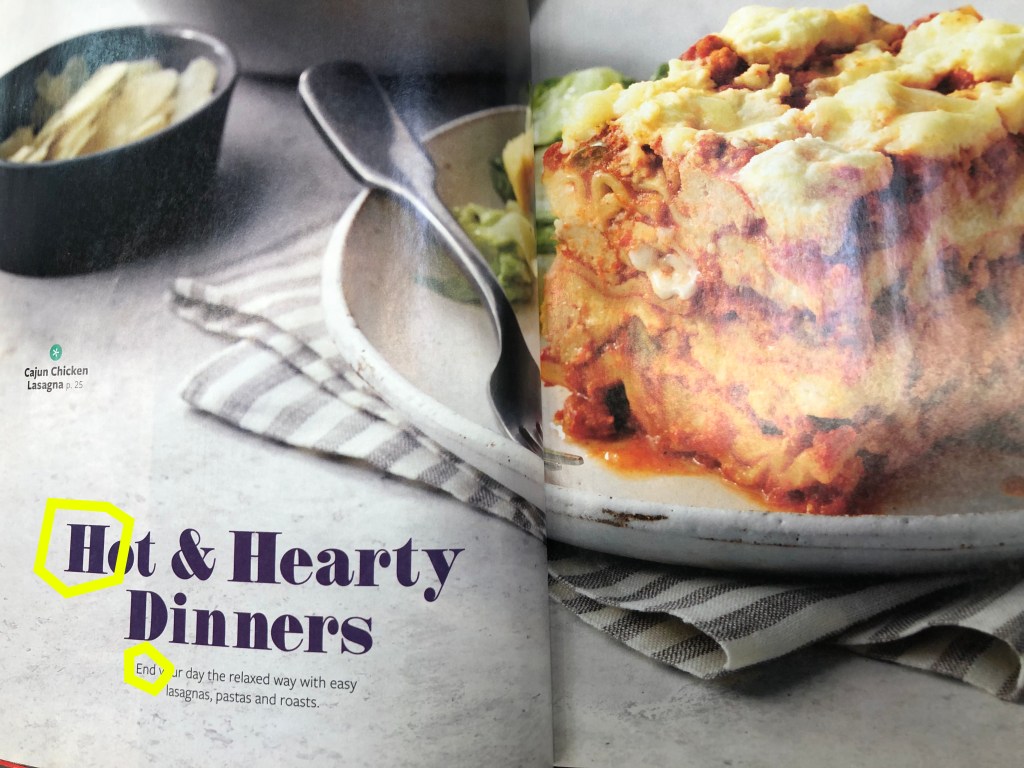
The first typeface (highlighted in green) I would identify as modern. It has a straight serif instead of a slanted one found in old style fonts. There is what’s called a radical transition from thick to thin in the strokes. The serifs are straight (or horizontal) and very thin. There is also no bracketing. The second typeface (highlighted in yellow) is sans serif. There are no embellishments anywhere in the typeface. The weight in uniform with no transitions from thick to thin. It is also in regular instead of bold to help further create contrast and distinguish it from the first typeface.

Typeface Contrast

Speaking of contrast, the typeface contrast on this magazine spread really jumps out at you. You can see that on the first heading there is a Roman serif style font. I should note that the serifs are straight and not slanting. This also has a thick/thin element. Overall, it makes a bold statement that draws the eyes. The subheading is much smaller and in a completely different font style. The color is the same as the first heading to show unity, however there are some key elements that create the beautiful contrast. First, the text is sans serif which means that there is no change in the weight and there are no embellishments

Photography

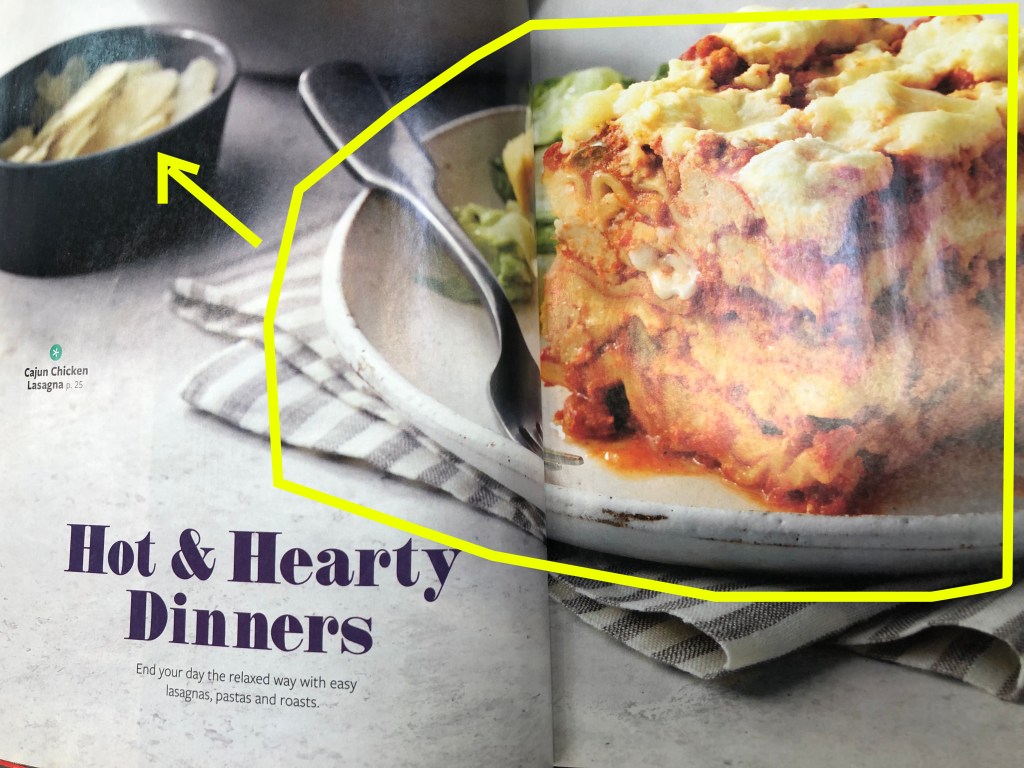
From what I can see, this photo uses at least two of the photography principles we studied this week. These two principles are rule of thirds and range of depth. You can see the rule of thirds because the focal point (the lasagna) is placed in the upper right corner. The range of depth is evident by the focus on the camera. The chip bowl in the background is not as clear as the plate of lasagna which is positioned near the front and in clear focus. This draws our eyes right to the delicious lasagna.

Alternate Images for Layout

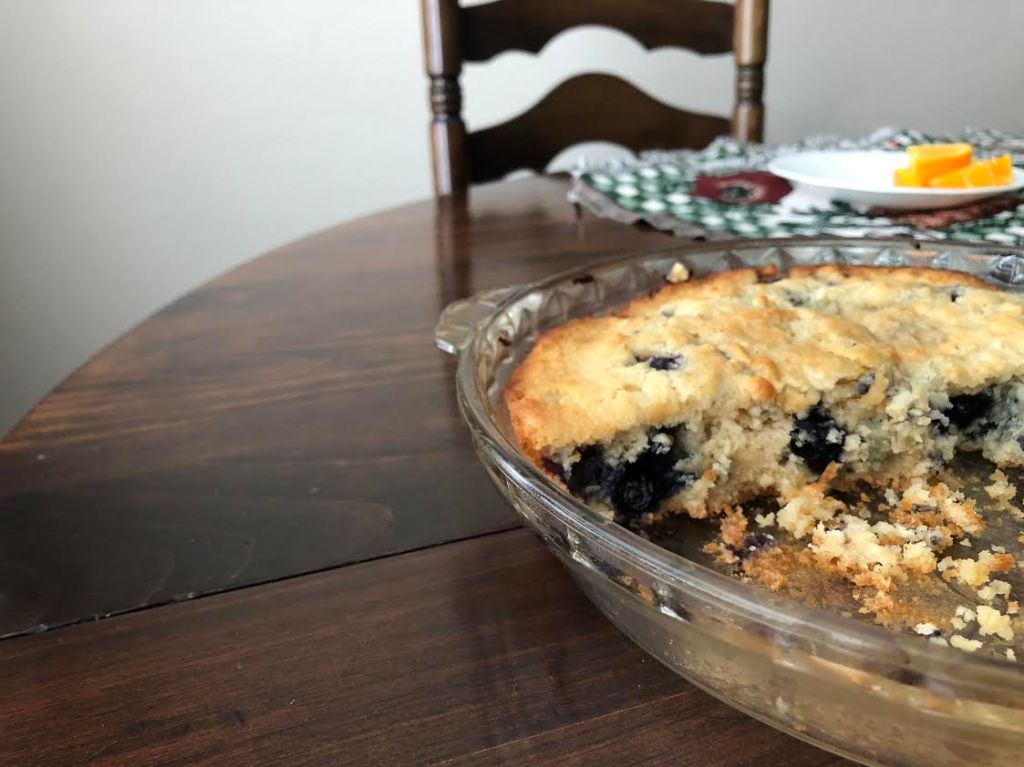
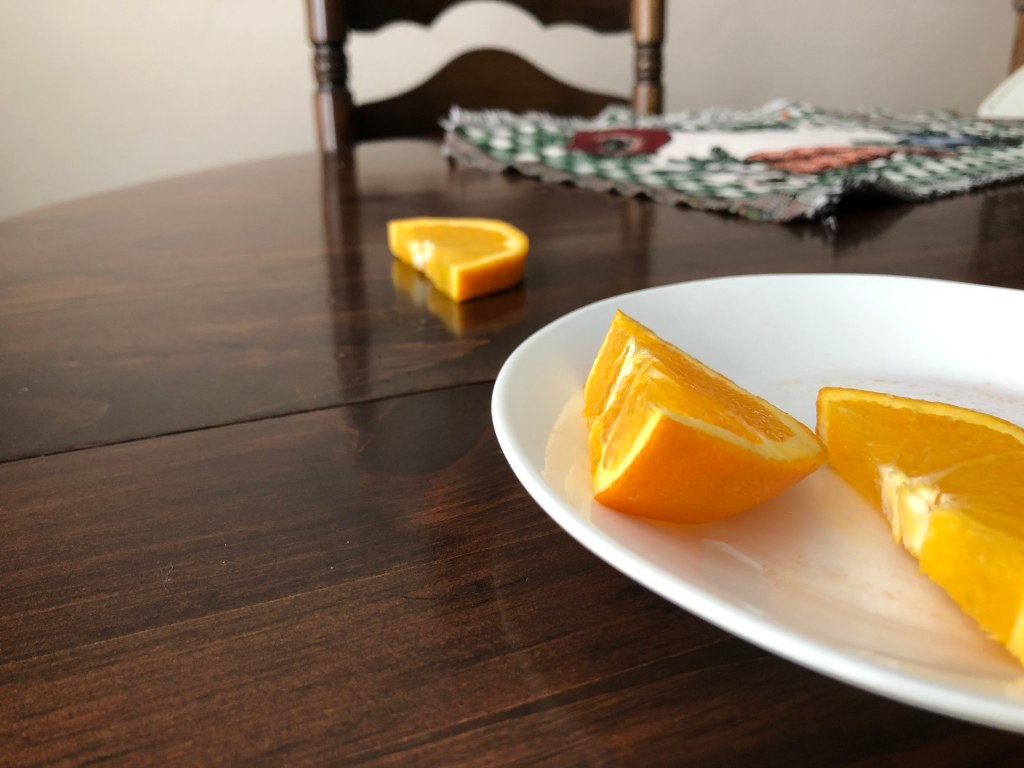
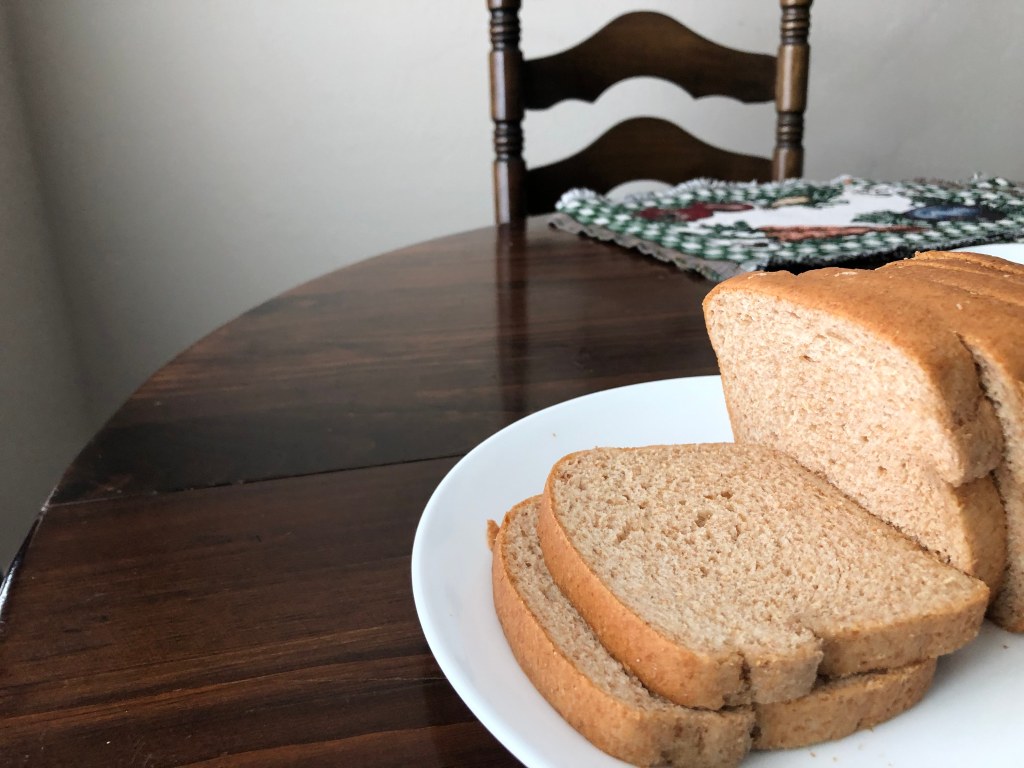
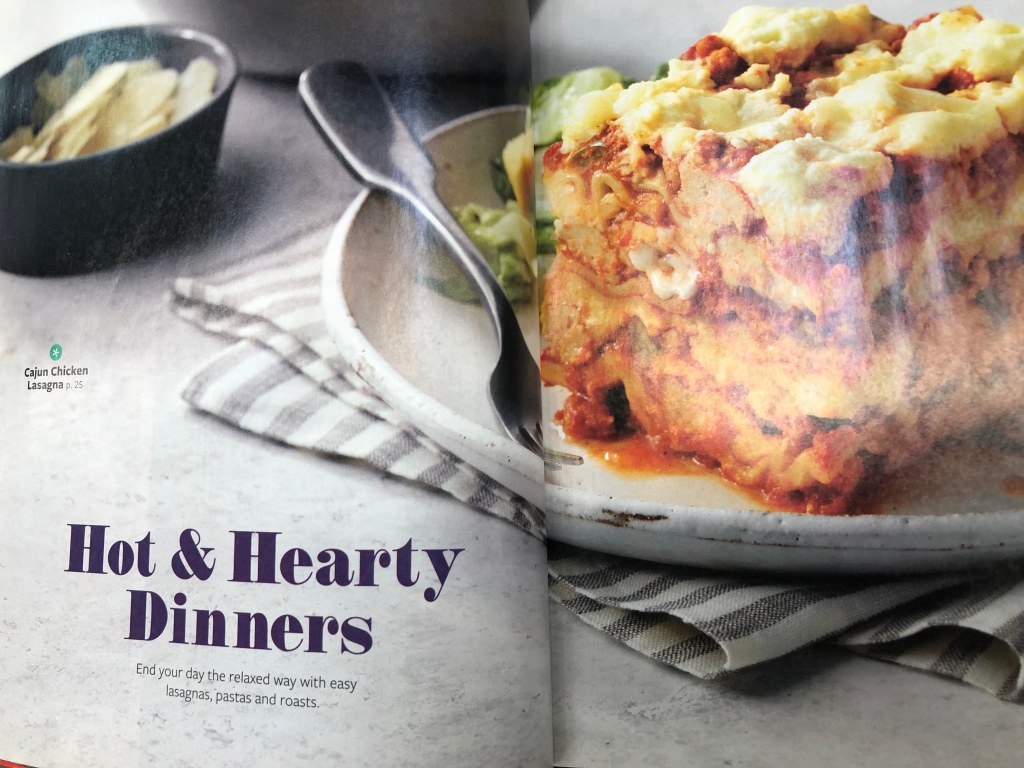
The following three photos were created using my cell phone. I was able to mimic the original photo by placing various foods on a table using the same rule of thirds and range of depth from the original photo. Yes, the foods are different, the table is different, but the key structure is the same.

Summary

I love how the rule of thirds and range of depth give a focal point to the original picture that creates a need for the typography to balance out the photo. This layout draws the eye toward the focal point of the photo, which is the lasagna. It puts the lasagna first in the range of depth because it’s closest to the camera. The typography itself is another example of balance because it uses contrasting font types and styles to create a harmonious look to the center-aligned text. This contrast was not created in color, but it was created in the differing typefaces, namely modern and sans serif. Each element of the photo and the typeface created a beautiful picture that tells a story about food, color, and the comforts of dinner. Who wouldn’t want to make that recipe and try the lasagna for themselves!

Old Navy Ad Campaign: A Study in Design

Original Old Navy Ad

Introduction

I get promotional emails all the time from companies such as Old Navy. I don’t know who the artist is, but I did learn that Old Navy has been in the process of shifting focus back to building its brand (https://www.cnbc.com/2019/11/22/old-navy-was-neglecting-brand-marketing-gap-cfo-admits.html). The original ad can be found here: click here. I chose the above ad campaign because it was timely and it demonstrated all the elements discussed in this week’s learning:

  • Contrast
  • Repetition
  • Alignment
  • Proximity
  • Color

Contrast

Contrast

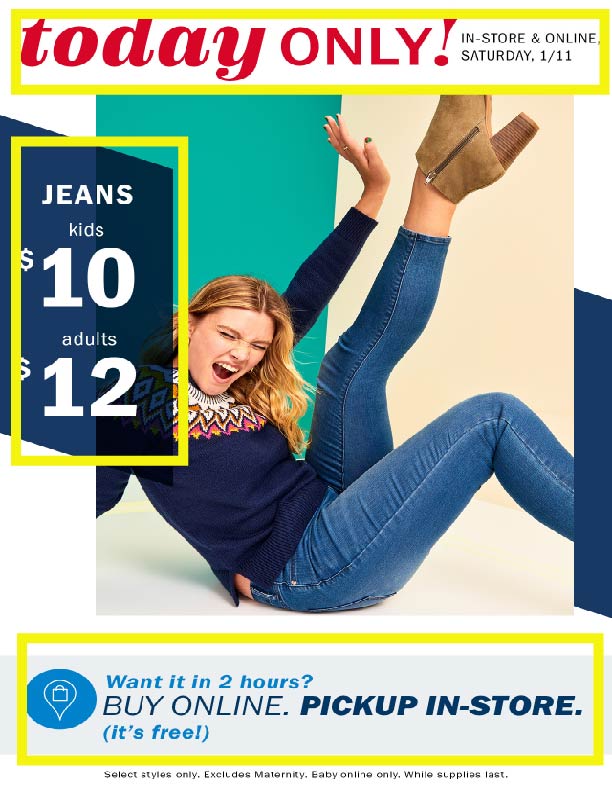
Above is an example of contrast. We see the use of a dark background with white lettering to show the sale prices. There is also the opposite with a white background and red and black lettering to show the dates and locations of the sale.

Repetition

Repetition

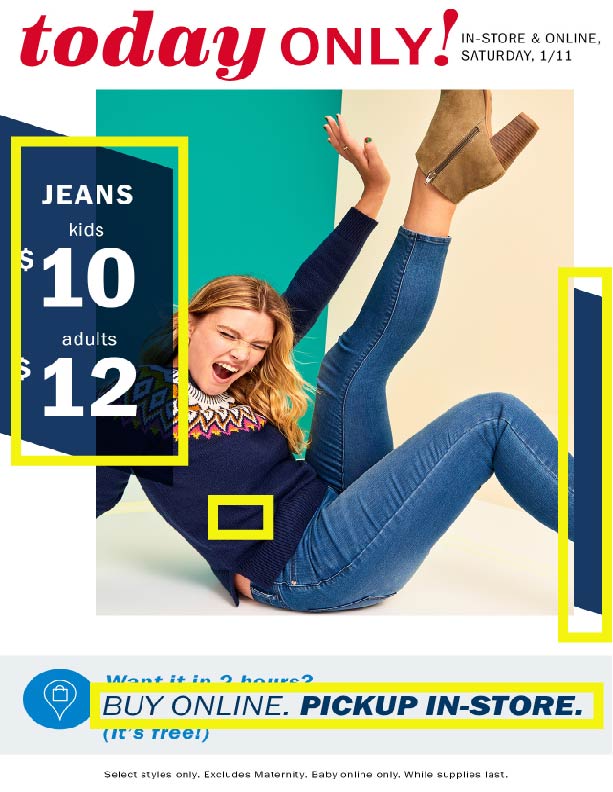
The above example shows repetition at work in the ad campaign. We see repeated use of the color navy blue as well as the basic block style font to create unity and continuity throughout the ad. I will also note that the designer reserved the use of red and a curvy font type for only one place to show contrast and draw the eye upward to the “today only” text.

Alignment

Alignment

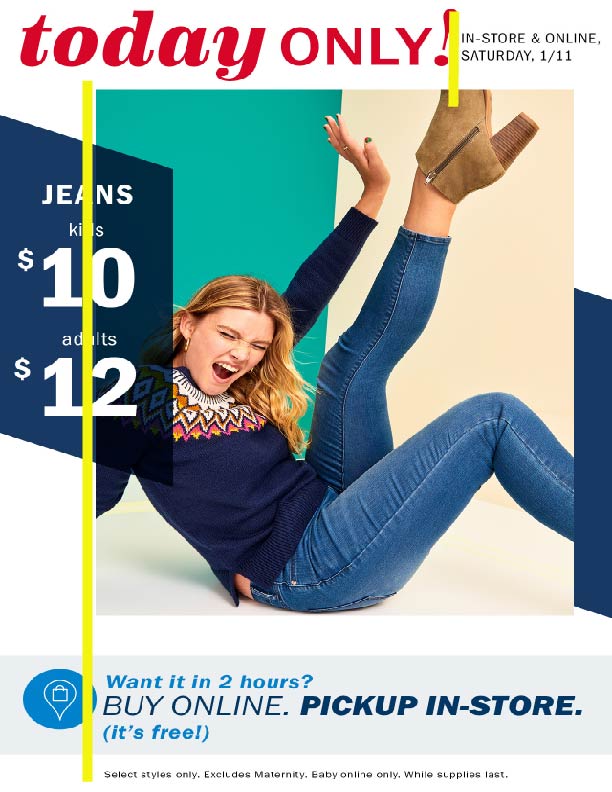
There are at least two uses of alignment in this ad. The yellow bars indicate the alignment between the background and the text below and also the smaller yellow bar shows the alignment in the text at the top of the page.

Proximity

Proximity

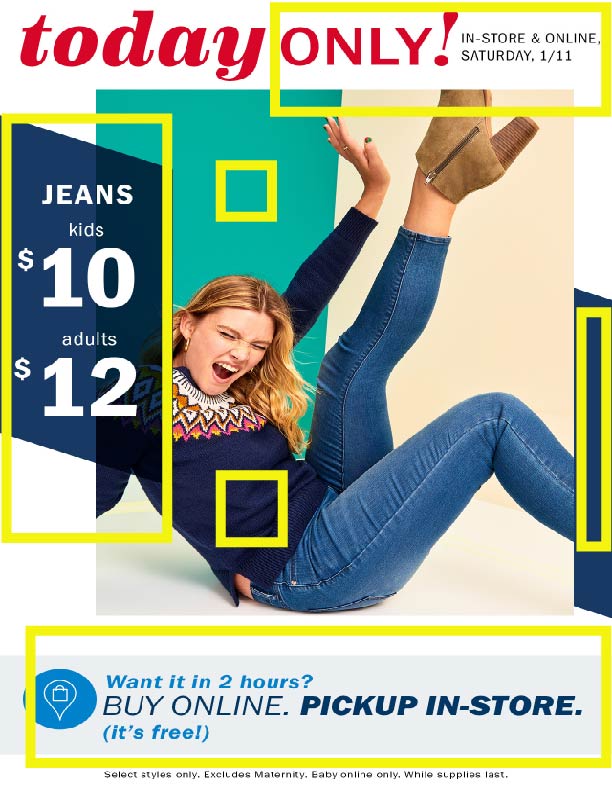
Proximity shows the viewer that these elements are related and should be categorized together. You will see there are there are three different blocks showing elements of proximity in this ad. The first is the text at the top of the page, showing when and where the sale applies. The second is a block showing what’s on sale and the price. The third block shows important instructions for buying online and store pick-up information. All of these are examples of proximity.

Color

Here we see an effective use of color. The signature “navy” blue is used in multiple places to create repetition starting with the girl’s sweater, the background in the sale prices, and also in the instructions below. We also see the red in the header is used to create contrast that draws the eye upward to the important information that this sales apples to “today only.”

Conclusion

All the basic principles of design that we studied this week are present in this add. These principles include contrast, repetition, alignment, proximity, and color. All these elements combined help to create an ad campaign that is easy to understand, makes it’s information clear, and pleasant to the visual senses of the viewers.

Design a site like this with WordPress.com
Get started